sábado, 29 de diciembre de 2018


jueves, 20 de diciembre de 2018
Businesses may pay to recycle their own waste in United Kingdom
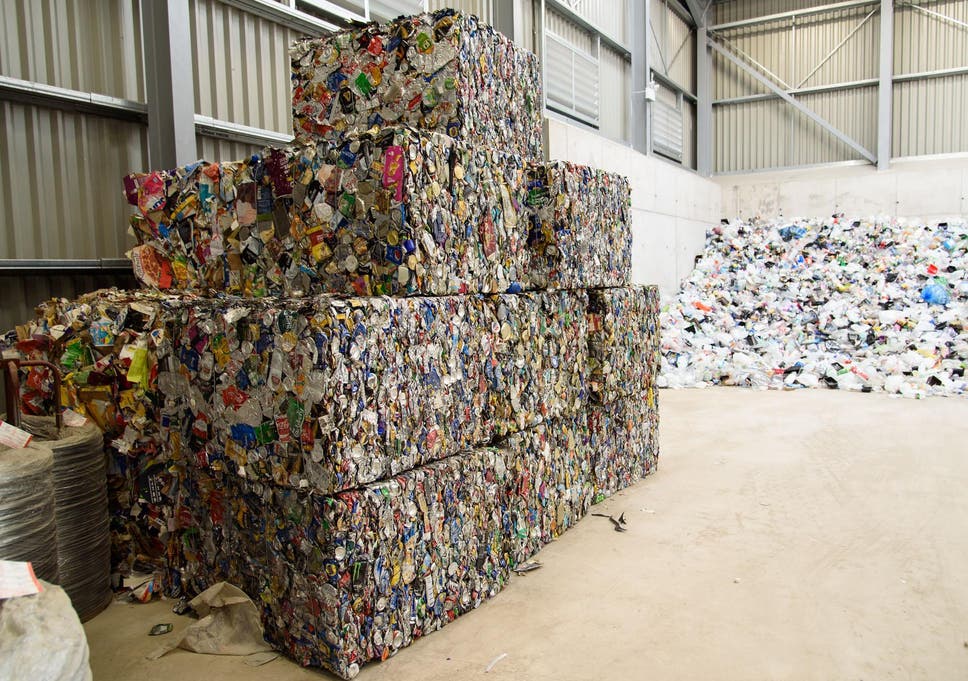
Businesses in England may be forced to foot the bill for recycling or disposing their packaging waste under a landmark government strategy.
Currently taxpayers by way of local councils must pay the £1bn it costs to process this rubbish, with supermarkets and big corporations only contributing around 10 per cent of the money required.
Read more at:https://www.independent.co.uk/news/business/recycling-waste-strategy-government-businesses-pay-plastic-pollution-environment-a8687656.html
miércoles, 19 de diciembre de 2018
Single-use plastic items will be banned in European Union by 2021

Single-use plastic items such as plates, cutlery, straws, balloon sticks or cotton buds, will be banned in the EU under plans adopted on Wednesday.
MEPs added to this list of plastics banned from the EU market from 2021: products made of oxo-degradable plastics, such as bags or packaging and fast-food containers made of expanded polystyrene.
Read more at:http://www.europarl.europa.eu/news/en/press-room/20181018IPR16524/plastic-oceans-meps-back-eu-ban-on-throwaway-plastics-by-2021
https://www.lemonde.fr/planete/article/2018/12/19/l-union-europeenne-conclut-un-accord-sur-l-interdiction-des-plastiques-a-usage-unique_5399945_3244.html
lunes, 17 de diciembre de 2018
miércoles, 14 de noviembre de 2018
Higher electrification has a negligible effect on carbon emissions without stronger increase of renewable energies
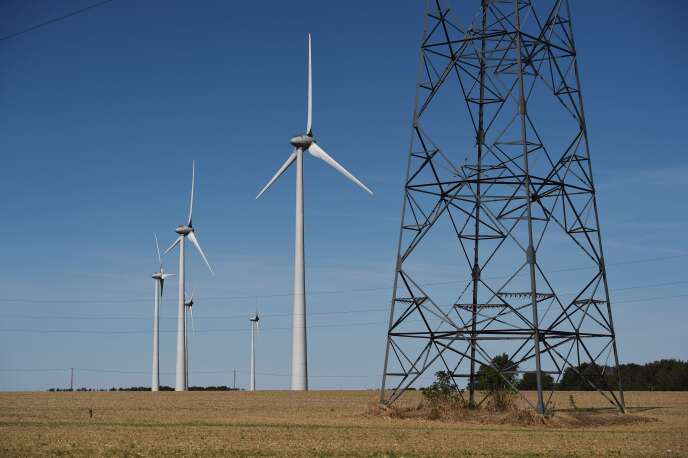
Electricity markets are undergoing a unique transformation with higher demand brought by the digital economy, electric vehicles and other technological change. As part of its deep-dive into the electricity sector this year, WEO 2018 also examines what impact of higher electrification in transportation, buildings and industry. The analysis finds that higher electrification would lead to a peak in oil demand by 2030, and reduce harmful local air pollutant. But it would have a negligible impact on carbon emissions without stronger efforts to increase the share of renewables and low-carbon sources of power.
Suscribirse a:
Entradas (Atom)

